
Understanding the psychological traps that lead to gambling addiction
The Allure of Gambling
Gambling offers a unique thrill that can be both exhilarating and dangerous. The rush of winning, however small, often leads individuals to chase that feeling repeatedly. The design of gambling activities, from brightly colored slot machines to the fast-paced environment of casinos, is strategically engineered to attract players. This sensory overload creates a stimulating atmosphere that reinforces a desire to continue playing, often leading them deeper into the gambling trap. For those interested in exploring this further, the Senseizino official site United Kingdom offers valuable insights.
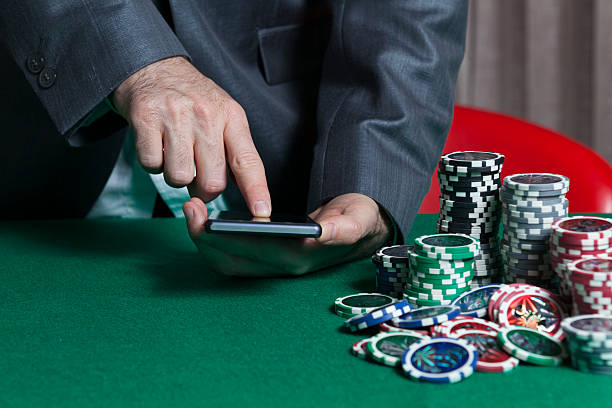
Additionally, the concept of near misses can significantly impact a person’s perception of gambling success. Players often experience excitement when they almost win, which reinforces the urge to continue playing. This deceptive phenomenon tricks the brain into believing that success is just around the corner. Consequently, individuals may neglect their responsibilities and relationships as they pursue the elusive win, further entrenching themselves in a cycle of addiction.
Furthermore, societal attitudes toward gambling can contribute to its allure. In many cultures, gambling is viewed as a harmless pastime or even an opportunity for economic gain. This perception can lead individuals to underestimate the potential risks involved. They may rationalize their gambling behaviors by focusing on stories of big winners while ignoring the countless stories of losses and despair, further solidifying their engagement with gambling.
The Role of Cognitive Biases
Cognitive biases play a significant role in the perpetuation of gambling addiction. One common bias is the illusion of control, where individuals believe they can influence the outcomes of games, especially in games that involve a degree of skill. This misconception leads many to engage in gambling activities with the false confidence that they can outsmart the odds, resulting in persistent play despite unfavorable results.
Another critical bias is confirmation bias, where gamblers tend to focus on information that supports their gambling strategies while disregarding evidence that contradicts them. For example, they might remember their wins and forget about their losses. This selective memory not only reinforces the gambling habit but also complicates their ability to see the reality of their situation, making it harder to break free from the addiction.
Furthermore, the concept of “gambling fallacy” misleads players into believing that past outcomes affect future probabilities. For instance, if a particular number hasn’t been selected in a while during a game, some players may believe it’s due to come up soon, leading them to place further bets based on faulty logic. This misjudgment is a trap that can ensnare even the most rational individuals, driving them further into addiction.
The Impact of Emotion and Stress
Emotions significantly influence gambling behavior, with many individuals turning to gambling as an escape from stress or emotional pain. The thrill of gambling can temporarily mask feelings of anxiety, depression, or loneliness. In this way, gambling can become a coping mechanism, allowing individuals to avoid confronting their underlying issues while creating a destructive cycle of dependence.
Moreover, the emotional highs associated with wins can be intoxicating, creating a powerful cycle of reward and reinforcement. This cycle can lead individuals to seek out gambling during times of stress, believing it will provide relief or pleasure. However, this can spiral out of control as losses accumulate, leading to greater emotional distress, which, in turn, increases the compulsion to gamble.
Understanding the emotional factors that contribute to gambling addiction is essential for effective treatment. Many professionals emphasize the importance of addressing these underlying emotional issues in therapy. By finding healthier coping mechanisms and emotional outlets, individuals can reduce their reliance on gambling as a means of escape, ultimately aiding in recovery.
The Influence of Environment and Social Factors
The environment surrounding a gambler can greatly affect their behavior and likelihood of developing an addiction. Social circles that normalize or encourage gambling can make it difficult for an individual to recognize their own gambling habits as problematic. If friends and family view gambling as a standard leisure activity, it creates an atmosphere where excessive gambling is overlooked or even condoned.
Moreover, the availability of gambling venues, both physical and online, has drastically increased in recent years. The ease of access to online gambling platforms means that individuals can gamble from the comfort of their homes, often without any social oversight. This accessibility can further entrench gambling behaviors, making it easier for addiction to develop without the normal checks and balances present in more traditional gambling settings.
Additionally, advertising and marketing strategies employed by gambling companies play a significant role in shaping public perception. Promotions, bonuses, and testimonials often glamorize gambling, presenting it as a fun and financially rewarding activity. This media representation can skew perceptions, leading individuals to overlook the potential dangers associated with gambling and contributing to a growing addiction problem in society.

Exploring Responsible Gaming at Senseizino Casino
At Senseizino Casino, responsible gaming is a cornerstone of our operations. We prioritize the well-being of our players by providing tools and resources to help them make informed decisions about their gambling habits. This commitment includes offering options for self-exclusion, deposit limits, and access to educational materials about responsible gaming practices. We believe that informed players are empowered players.
Additionally, we actively promote awareness around gambling addiction, helping our users recognize the signs and seek help if needed. By creating an environment where responsible gaming is emphasized, we aim to combat the psychological traps that can lead to gambling addiction. Our platform is designed not just for entertainment, but also for safety and support.
Ultimately, the goal at Senseizino Casino is to cultivate a fun yet secure gaming atmosphere. We encourage players to enjoy gaming responsibly, with the understanding that it should remain a form of entertainment rather than a source of stress or financial hardship. Through ongoing efforts in education and support, we aim to foster a community of responsible gamers who enjoy the thrill of gaming without falling into harmful patterns.
Leave a Reply